wet to dry dressing indications
Wet to dry dressing keeps wounds clean and promotes healing. Currently there are a variety of wound dressings available ranging from passive adherentnonadherent to interactive and bioactive.
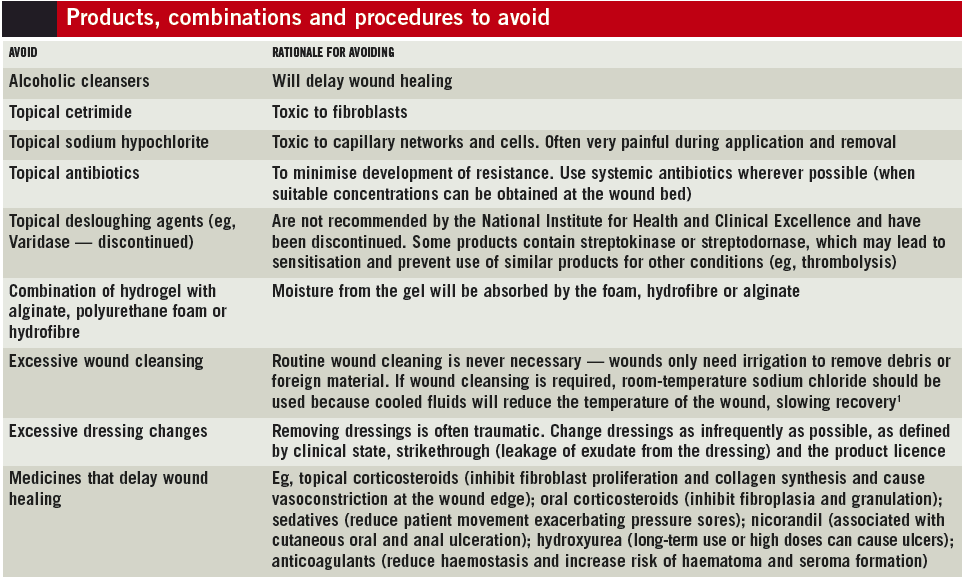
How To Select A Wound Dressing The Pharmaceutical Journal
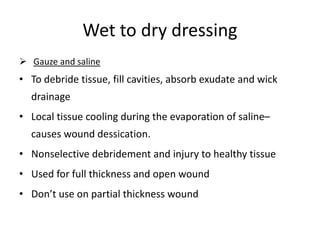
This is because wet-to-dry dressings 1 are a form of nonselective debridement removing healthy tissue as well as necrotic tissue.
. Observe appearance of wound and any drainage. Traditionally when wounds required debridement wet to dry dressings were used. Pour saline into a clean bowl.
Every four to six hours the clinician firmly pulls the dry gauze not re-moistened from wound bed at a 90-degree angle. Most wounds treated with wet-to-dry dressings were surgical 69 followed by neuropathic ulcers 10 and pressure ulcers 59. They found that wet-to-dry dressings accounted for 42 of all orders for wound care and of these orders 78 of the time mechanical debridement was not clinically.
Put on a new pair of non-sterile gloves. The wet to dry dressing change is an effective way to help wounds heal. Open a new package of dry gauze.
The wounds dressing allows the dead skin cells to collect in the dressing so that the wound can heal effectively. Gently pat it dry with a clean towel. Rinse your wound with water.
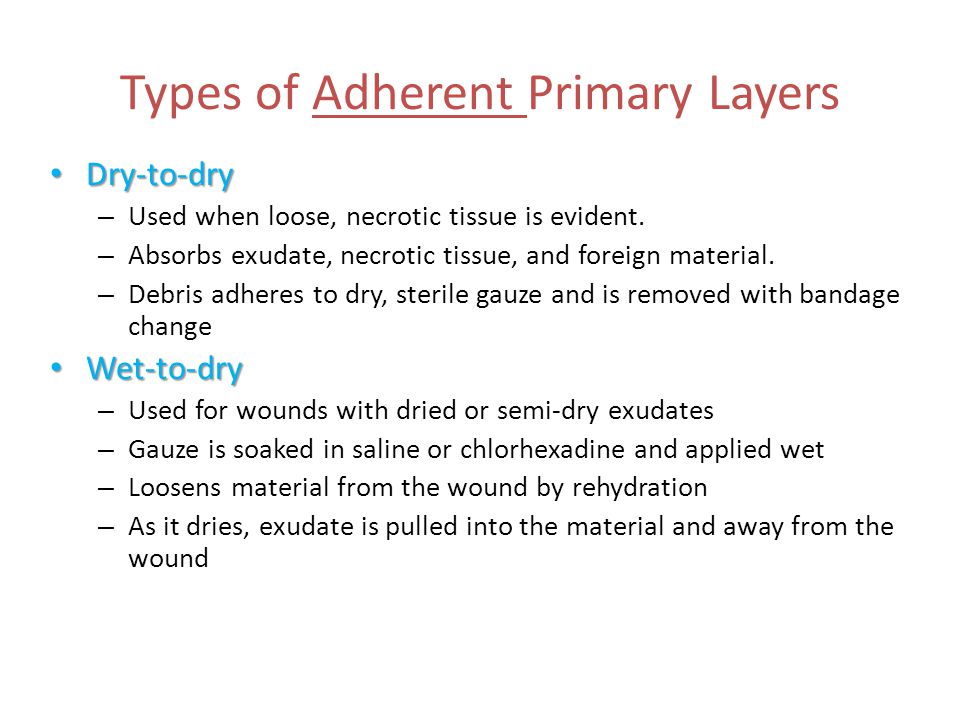
This also pulls the adhered. Discuss indications and contra-indications for Wet-to-Dry Dressings 2. With this type of dressing a wet or moist gauze dressing is put on your wound and allowed to.
This involved applying moist saline or other solution ie Dakins to gauze placing it into a wound bed. Wet to dry dressing is a time-tested method for treating wounds. Wet-to-dry dressings are described in the literature as a means of mechanical debridement4.
Wound drainage and dead tissue can be removed when you take off the old dressing. Do not rub it dry. In some cases you can even rinse the wound while showering.
The wet-to-dry technique begins when the clinician applies gauze moistened with sterile saline or water to the wound bed. Gently pat it dry. Description of skill.
Basically a wet piece of clean cloth is put. Update on wound dressings. If you have well water use bottled water or sterile saline instead of the.
An increase of exudate can be a sign of infection. Wet-to-Dry Dressing Debridement only Debrides at the expense of removing healthy tissue. Indications and best use.
Check the wound for increased redness swelling or a bad odor. Your health care provider has covered your wound with a wet-to-dry dressing. 11 rows The Centers for Medicare and Medicaid Services Guidance to Surveyors in long-term care states that.
Traditional gauze swabs are used to make wettodry dressings for debridement of necrotic wounds Dry dressings are indicated for surgical wounds to provide sterile. Mechanical debridement of necrotic tissue and slough Wounds with dead space tunneling or sinus tracts. To clean a dirty or infected wound.
Moisten a piece of gauze with saline. Change 2-3 times per day. Moisten with saline if it gets too dry.
Pay attention to the color and amount of drainage from your wound. Look for drainage that has become darker or thicker. Take 1 piece out and get it wet using regular tap water from the sink.
Wet to dry dressings should be used with the open woven gauze pads. Cowan Stechmiller indicated that wet-to-dry dressings can be appropriate only if the risk of destructing the healthy tissue is outweighed by the benefit of removing devitalized. Gently free dressing and pull back slowly across dressing in the direction of hair growth.
Pain on removal wet-to-dry Labor. Enzymatic 743 and dry gauze 693. Application as a wet to dry dressing is most commonly used when wound fluids have a high viscosity or in the case where the wound surface is dehydrated and scabs have.
2 are painful to the patient. Wet-to-Moist Dressing is preferred in most cases. Gauze Dressings Wet to Dry -Indications.
A wet gauze dressing is put in the wound and allowed to dry. Squeeze the saline from the gauze pads or packing tape until it is. Hold soiled dressing in.
Are you using an appropriate secondary dressing. When should wet to dry dressings be used. The dressing is allowed to dry and adhere to the tissue in the wound bed.
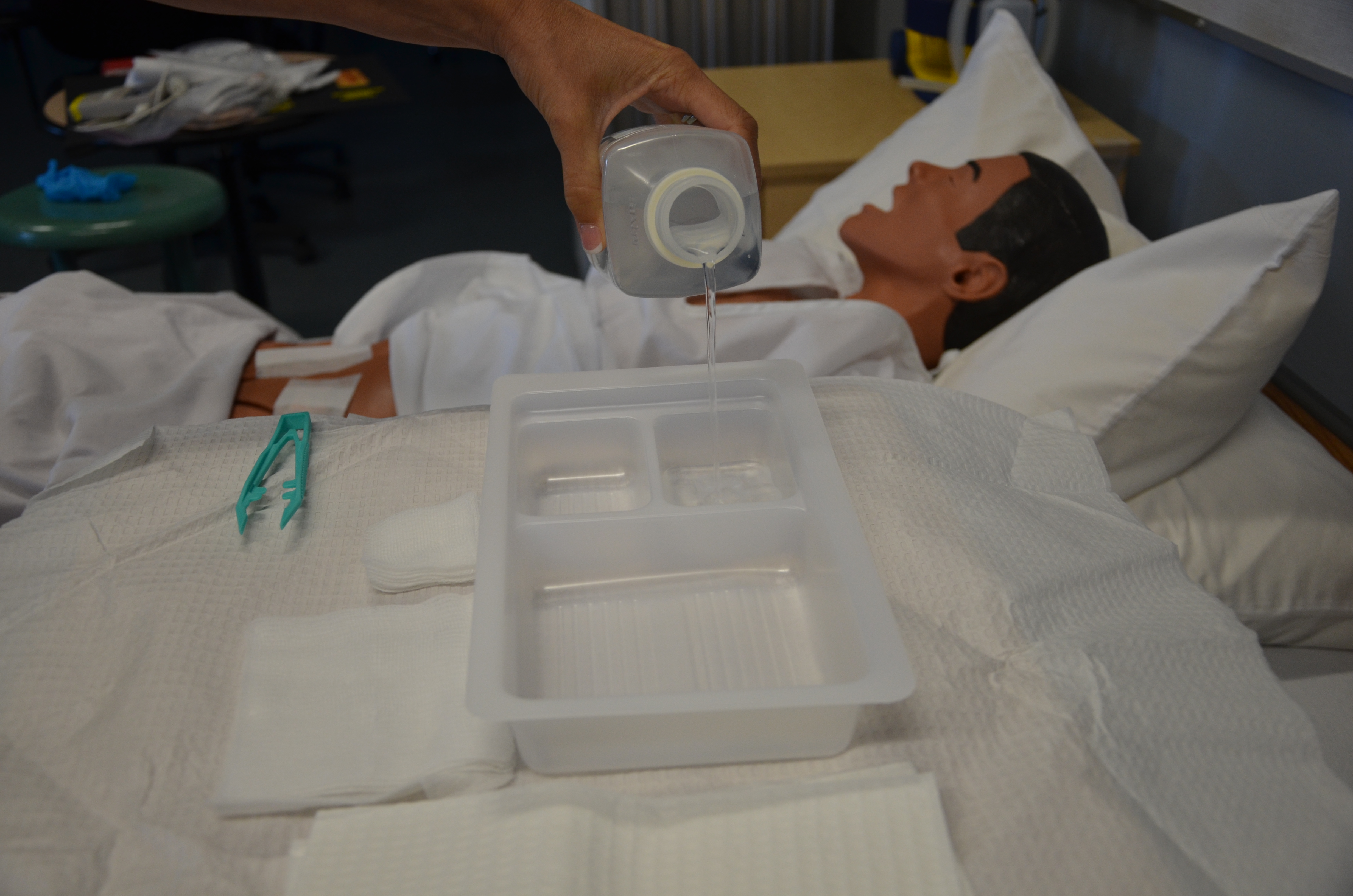
4 6 Advanced Wound Care Wet To Moist Dressing And Wound Irrigation And Packing Clinical Procedures For Safer Patient Care
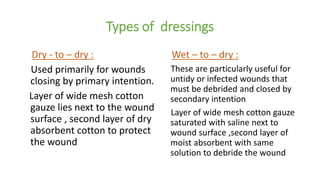
Wound Dressing
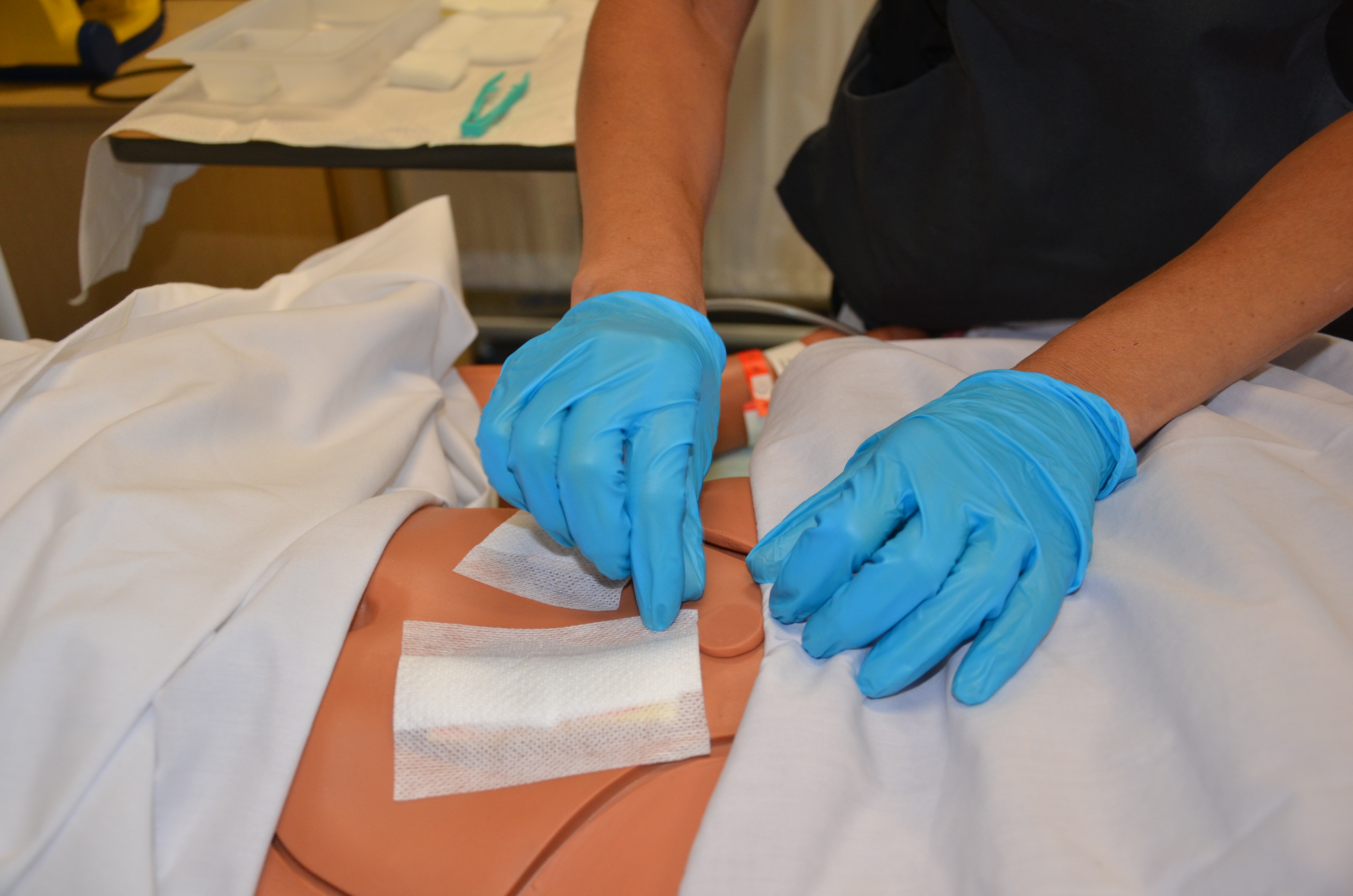
4 6 Advanced Wound Care Wet To Moist Dressing And Wound Irrigation And Packing Clinical Procedures For Safer Patient Care
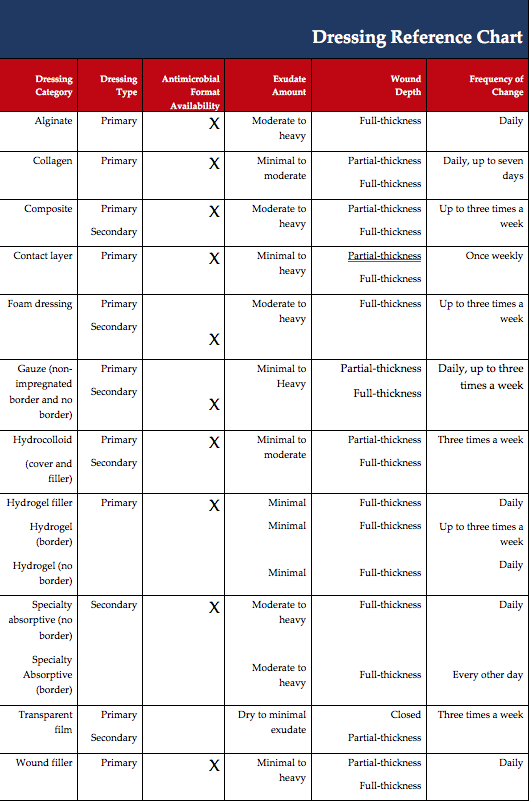
How Do You Select A Wound Dressing Wound Dressing Categories And Selection
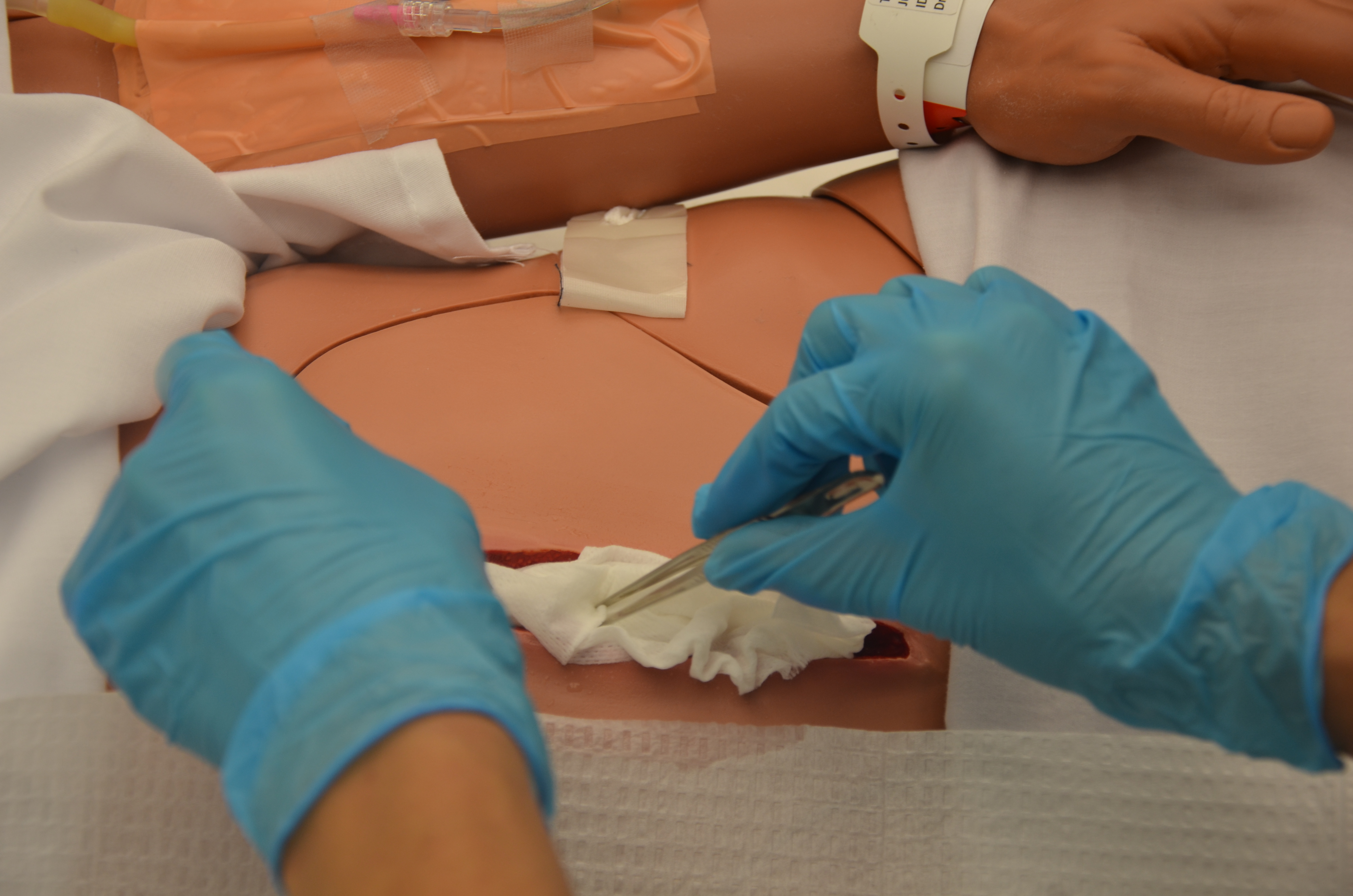
4 6 Advanced Wound Care Wet To Moist Dressing And Wound Irrigation And Packing Clinical Procedures For Safer Patient Care
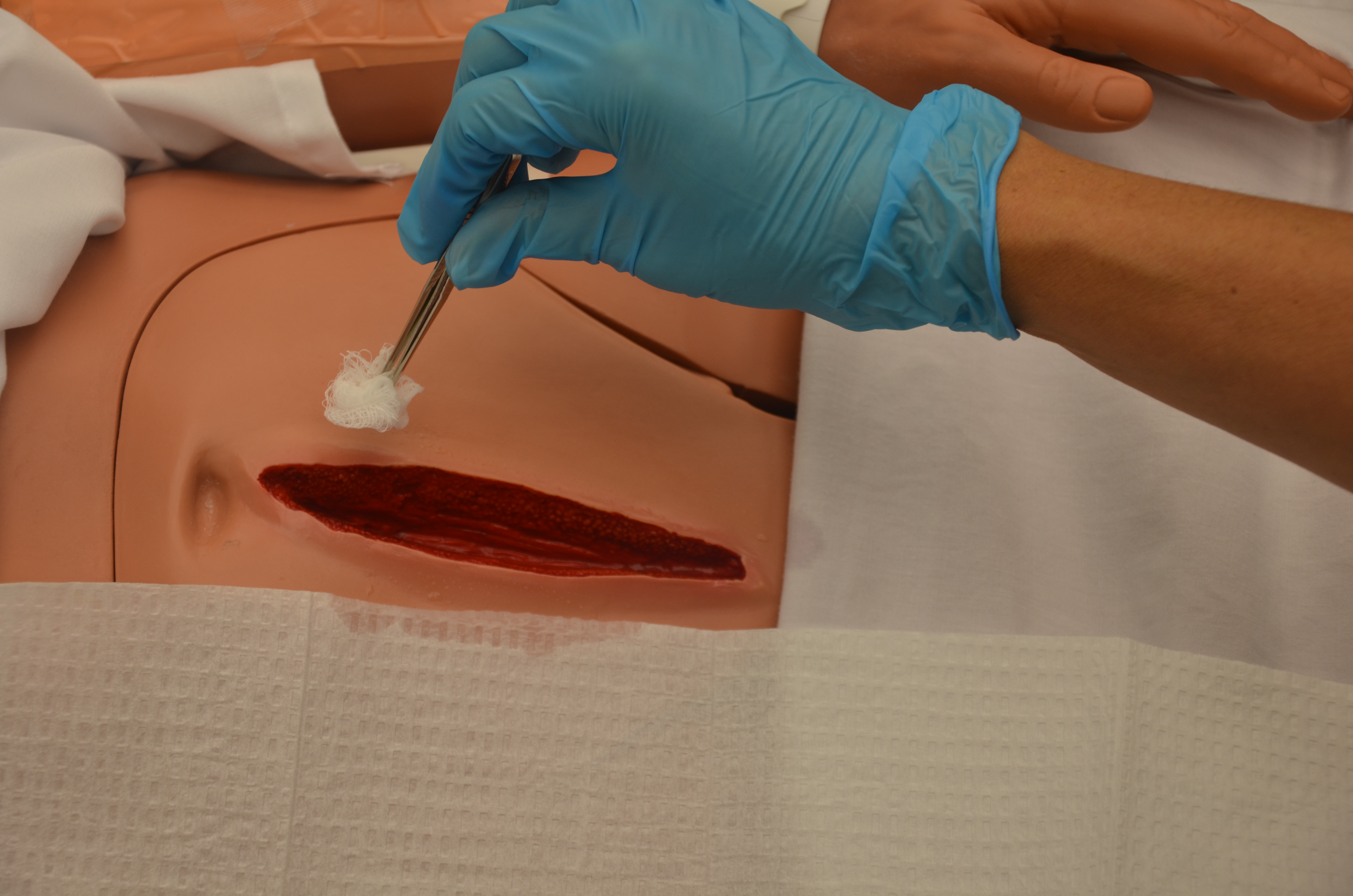
4 6 Advanced Wound Care Wet To Moist Dressing And Wound Irrigation And Packing Clinical Procedures For Safer Patient Care
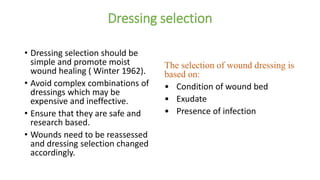
Wound Dressing
Bandaging Ppt Video Online Download

Moist Wound Healing The New Standard Today S Veterinary Practice
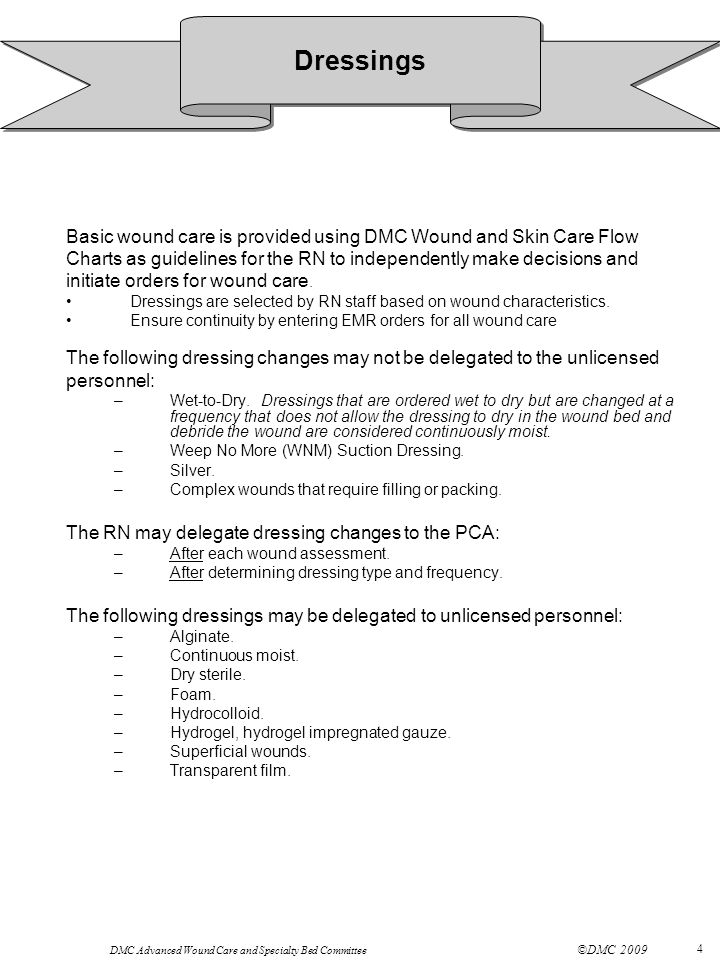
Skin And Wound Care Rn And Lpn Dressings Section 5 Of 7 Ppt Download
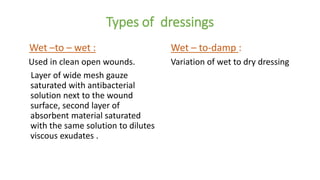
Wound Dressing
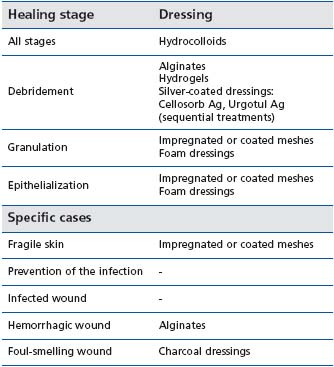
Local Treatment Of Venous Leg Ulcers Servier Phlebolymphologyservier Phlebolymphology

How To Select An Appropriate Wound Dressing The Veterinary Nurse
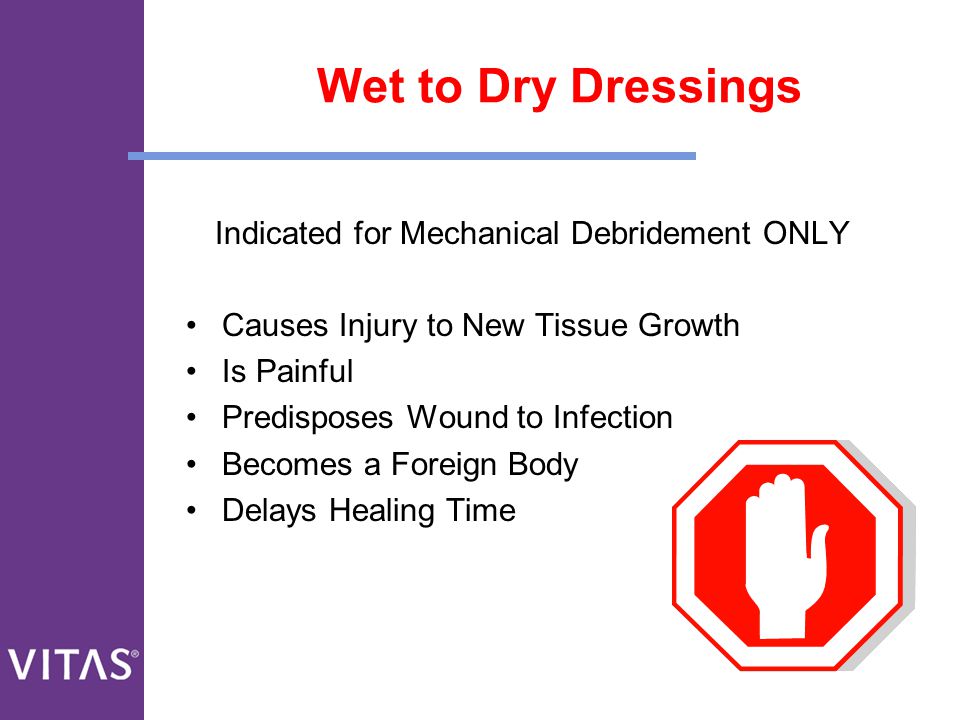
Wound Care Best Practice Guidelines Ppt Download

Wound Care Dressings And Their Main Indications Download Table
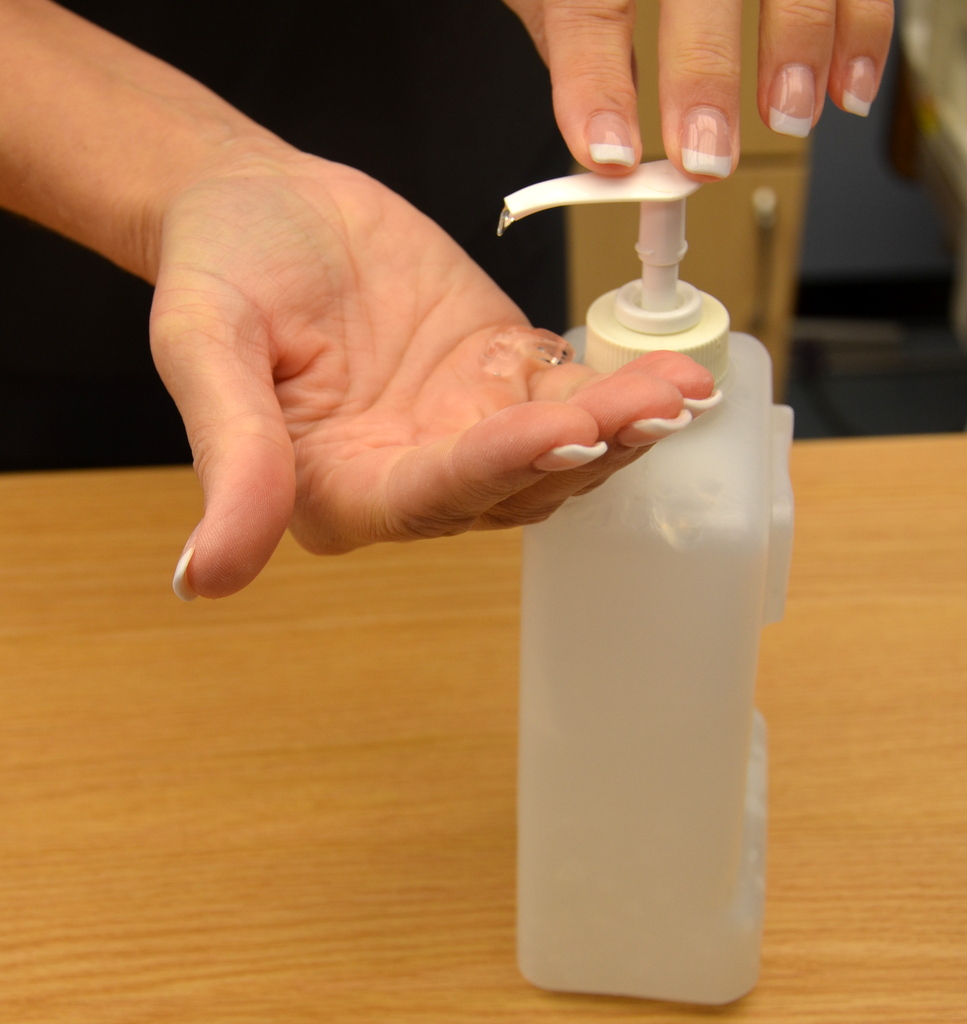
4 6 Advanced Wound Care Wet To Moist Dressing And Wound Irrigation And Packing Clinical Procedures For Safer Patient Care

Wound Care Dressings And Their Main Indications Download Table
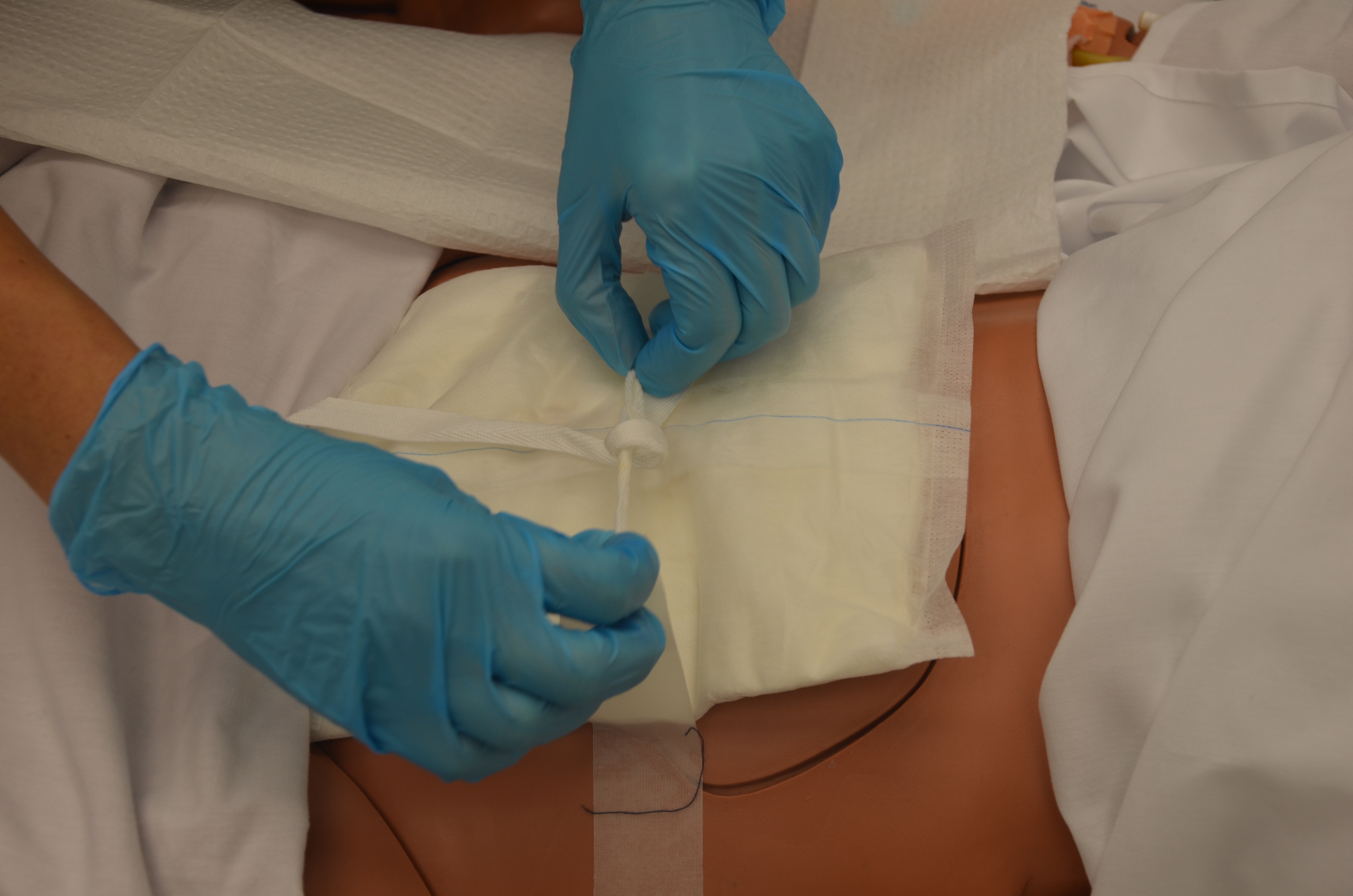
4 6 Advanced Wound Care Wet To Moist Dressing And Wound Irrigation And Packing Clinical Procedures For Safer Patient Care
Dressing Materials In Burns